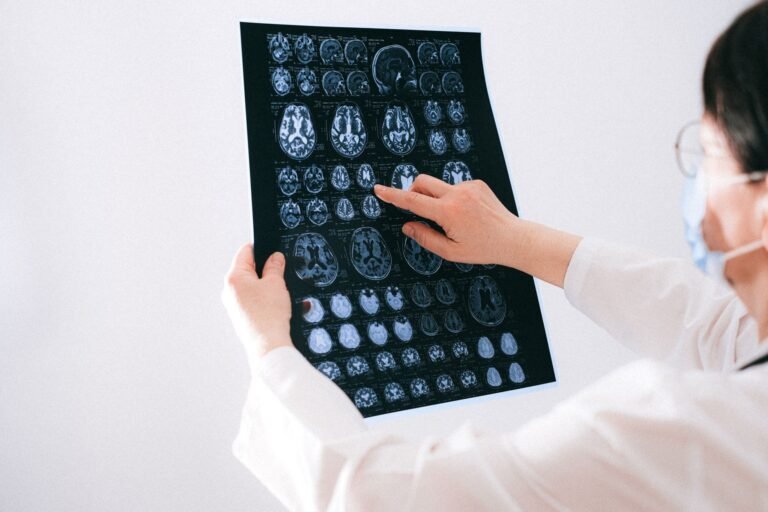
Functional Neurological Disorder (FND) in Medicolegal Cases: A Guide for Solicitors
Functional neurological disorder (FND) causes genuine neurological symptoms, such as limb weakness, seizures or sensory disturbance, that arise from a problem with how the nervous system functions rather than from structural disease. It is common in personal injury and clinical negligence claims, and it is often disputed.
How FND is diagnosed
FND is diagnosed on positive clinical signs, not simply by excluding other conditions. Examples include Hoover’s sign in functional leg weakness, entrainment of a functional tremor, and the features of dissociative seizures recorded on video-EEG. A neurologist makes the diagnosis and decides whether any structural disease is also present. ICD-11 classifies the condition as dissociative neurological symptom disorder.
Issues that arise in litigation
- Causation: whether the accident or clinical event triggered the disorder, and what part predisposing factors played. A defendant takes the claimant as they find them (Smith v Leech Brain & Co Ltd [1962] 2 QB 405).
- Genuineness: FND is not feigning. Where the reliability of the presentation is challenged, the experts should address consistency and validity rather than assume exaggeration.
- Misdiagnosis: claims can arise where structural disease was wrongly labelled functional, or where FND was treated as structural disease.
- Prognosis: outcome varies with the duration of symptoms and access to specialist physiotherapy and psychological treatment.
Which experts are needed
A neurologist addresses the diagnosis, any structural disease and the prognosis. A neuropsychiatrist or psychiatrist may address psychological factors and coexisting conditions, and a physiotherapist or rehabilitation expert the treatment plan.
Questions to put to the neurologist
- What is the diagnosis, and which positive signs support it?
- Is there any coexisting structural neurological disease?
- What is the relationship between the symptoms and the index event?
- What treatment is recommended, and what is the prognosis with and without it?
- How do the symptoms affect work, care and independence?
For neurological reports on FND, see our functional neurological disorder expert witness page.
This article is for general informational purposes only and does not constitute legal or medical advice. Readers should seek appropriate professional guidance.