
Epilepsy expert witness reports
Specialist neurological evidence on seizure diagnosis, causation, treatment issues and the functional consequences of epilepsy in litigation.
Overview
Epilepsy cases can involve disputed diagnosis, seizure causation, injury-related onset, medication issues or long-term safety and functional implications. The distinction between epileptic and non-epileptic events may also be central.
Neurological expert evidence helps frame the clinical picture accurately and address prognosis, treatment reasonableness and day-to-day implications such as work, independence and risk.
Common Medicolegal Issues
- Whether events are epileptic seizures or another presentation.
- Post-traumatic epilepsy following head injury.
- Misdiagnosis, delayed diagnosis or inappropriate treatment.
- Prognosis, seizure control and future risk.
- Functional impact on work, driving and independence.
- Medication management and treatment adequacy.
Post-traumatic epilepsy
A seizure in the first week after a head injury is treated as provoked by the acute injury. A seizure after the first week is unprovoked and carries a high risk of recurrence, so even a single late seizure can meet the International League Against Epilepsy definition of epilepsy. The DVLA may also treat a seizure in that first week as provoked, with shorter periods off driving than for epilepsy.
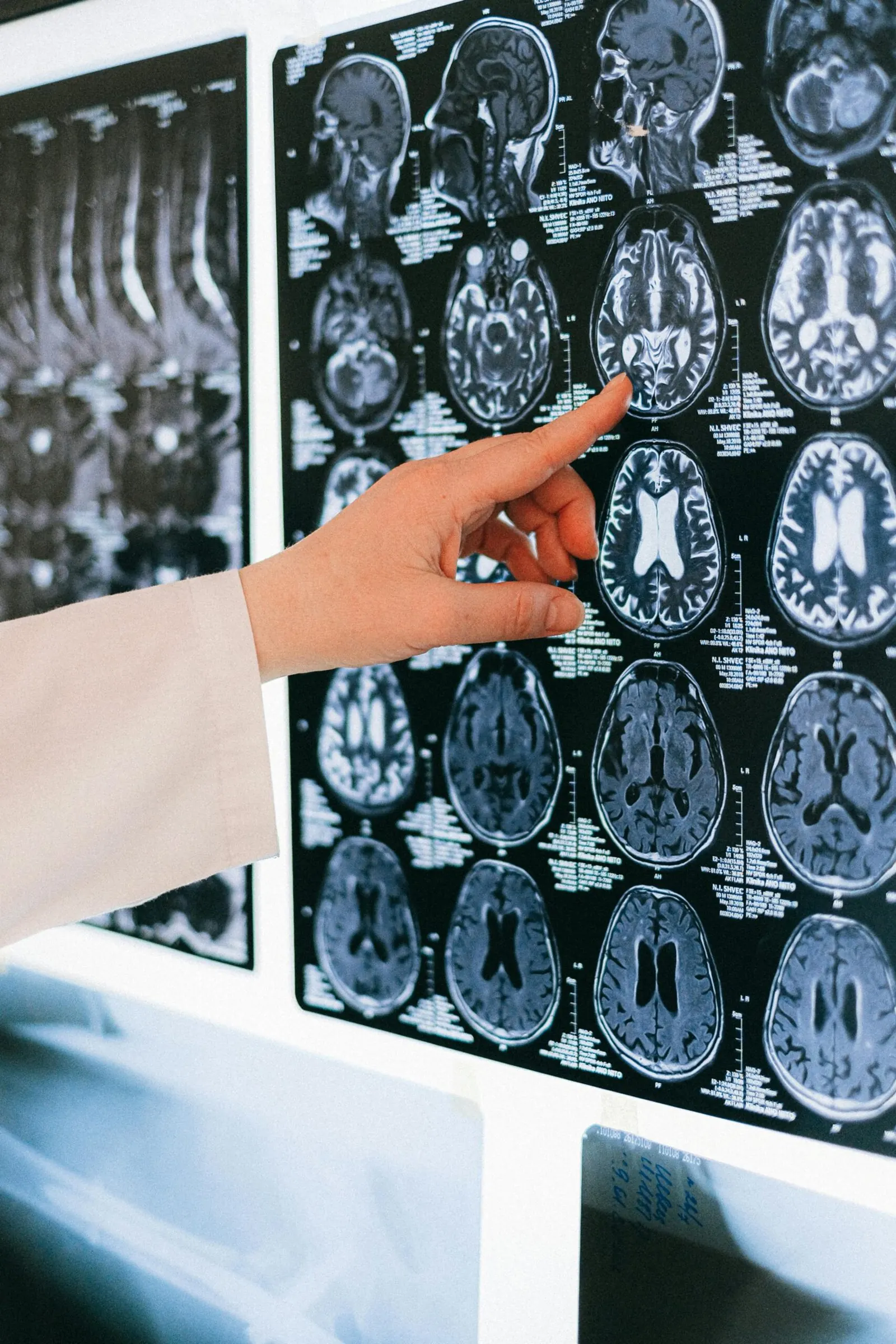
Our neurologists weigh the severity of the injury and the CT or MRI findings, such as contusions, an intracranial haematoma, a skull fracture or a penetrating wound, against the timing and description of each event and any earlier seizure history. The report addresses causation, the risk of further seizures and the effect on driving, work and independence.
Where no seizure has yet occurred, the neurologist can estimate the risk of later epilepsy. In England and Wales, that risk can support a claim for provisional damages under CPR Part 41.
How Expert Evidence Assists
A neurologist can explain epilepsy diagnosis, likely cause, treatment pathway and future implications in clear clinical terms that are relevant to breach, causation, condition and prognosis. Expert medico-legal evidence can also help clarify whether the events are epileptic seizures, post-traumatic epilepsy or another presentation, and what the likely long-term impact is on work, driving, independence and day-to-day safety.
Common Questions
Can the neurologist say whether the events are epileptic?
Yes. Distinguishing epilepsy from non-epileptic attacks and syncope is a core part of the report, using the history, witness accounts, EEG and imaging.
Does the report cover driving?
It can address the likely licence position under the DVLA rules and the risk of future seizures, which matters most to Group 2 licence holders. See our article on epilepsy, driving and the DVLA.
Can epilepsy start long after a head injury?
Late seizures can begin months or years after a brain injury, so the risk of post-traumatic epilepsy is often part of the prognosis.
Further Reading
Other Conditions

Get in Touch
Submit Case Enquiry
Complete the form below and our team will respond promptly to discuss the most appropriate expert for your case.