Expert Written Questions Response: A Guide to CPR 35.6
When a solicitor serves questions under CPR Part 35, the expert written questions response requires a balance of clinical precision, forensic neutrality, and strict procedural adherence. For neurology experts, this process often involves addressing complex diagnostic or prognostic disputes where the distinction between clinical evidence and speculative reasoning is vital for the court.
Understanding the Procedure for Expert Written Questions
Under Practice Direction 35, questions served upon an expert must be proportionate and for the purpose of clarification only. In neurology litigation, parties frequently use this mechanism to probe the evidence base of a diagnosis, such as identifying the clinical signs used to support a diagnosis of Functional Neurological Disorder or the rationale behind a prognosis for acquired brain injury. It is important to recognise that a response to written questions under CPR 35.6 is not intended as an opportunity to introduce new evidence or to re-litigate the core report, unless the clarification necessitates a nuanced adjustment of the previously stated opinion.
When you instruct neurology expert witness practitioners, they must maintain their overriding duty to the court. Solicitors should avoid phrasing questions in a way that implies an advocate’s position. Similarly, the neurologist must ensure that their answers remain confined to their area of expertise and do not stray into areas of law or quantum that are the purview of the legal team.
Neurological Evidence and Causation Pitfalls
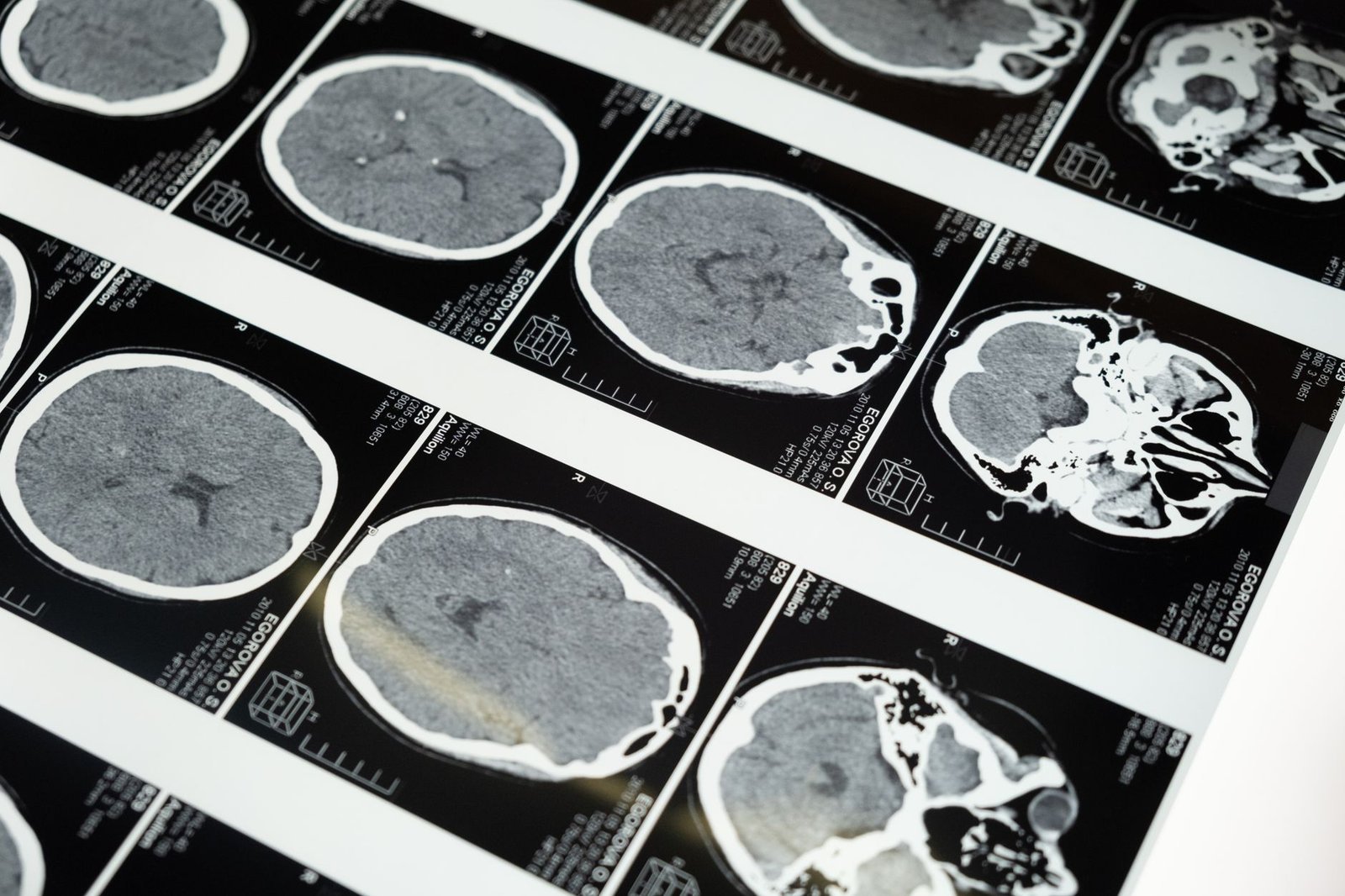
Questions often target the causal link between an alleged breach of duty and the claimant’s current neurological status. In cases of traumatic brain injury, solicitors may query the application of outcome scales or the interpretation of imaging in diffuse axonal injury. A common challenge involves the disentanglement of pre-existing pathology from incident-related injury. Experts should be prepared to clarify their methodology using clinical records, neurological examination findings, and established diagnostic frameworks.
The distinction between organic injury and functional symptoms remains a frequent source of medico-legal tension. When asked to clarify a diagnosis, the expert should point to the positive clinical features observed—such as specific patterns of motor deficit—rather than relying solely on a diagnosis of exclusion. Furthermore, clarifying cognitive symptoms after a stroke may involve explaining the interplay between cortical damage and secondary psychiatric sequelae, ensuring the expert response acknowledges where their neurology expertise concludes and a psychiatric assessment might be required.
Clinical Standards in Medicolegal Reporting
The Bolam
test and its refinement in Bolitho
remain central to assessing clinical negligence in neurology. When responding to questions about whether a treatment delay was negligent, the neurologist must identify a responsible body of clinical opinion that supports their view. It is insufficient to state that a different approach would have been preferred; the expert must articulate why the chosen course was or was not in accordance with a reasonable standard of care at the relevant time.
- Identify whether the question asks for a review of existing data or a new clinical opinion.
- Ensure that any reference to clinical guidelines is precise and cites the document version current at the time of the incident.
- Maintain a clear distinction between neurological findings and the assessment of functional capacity under the Mental Capacity Act 2005.
- Refuse to answer questions that are clearly outside the remit of clinical neurology or that demand a legal conclusion regarding breach or causation.
Frequently asked questions
Can I provide new evidence in my response to written questions?
No, the process under CPR 35.6 is limited to the clarification of the existing report. If the questions reveal a need for significant new evidence or a fundamental change in opinion, you should inform the instructing solicitors immediately and consider whether a supplementary report or a discussion between experts under CPR 35.12 is appropriate.
How should I handle questions that challenge my clinical expertise?
Maintain your neutrality and base your response entirely on the medical record and established literature. If the challenge relates to a difference of opinion on clinical findings, state your reasoning clearly and objectively, acknowledging the limitations of current diagnostic techniques if necessary.
Are written questions for a single joint expert different from separately instructed experts?
Yes, the procedure for a single joint expert involves instructions under CPR 35.8, and the expert must send the questions and answers to all parties at the same time. While the duty to the court remains paramount in both scenarios, the single joint expert must be particularly careful to treat all instructing parties with total parity during the clarification process.
This article is for general informational purposes only and does not constitute legal or medical advice. Readers should seek appropriate professional guidance.